


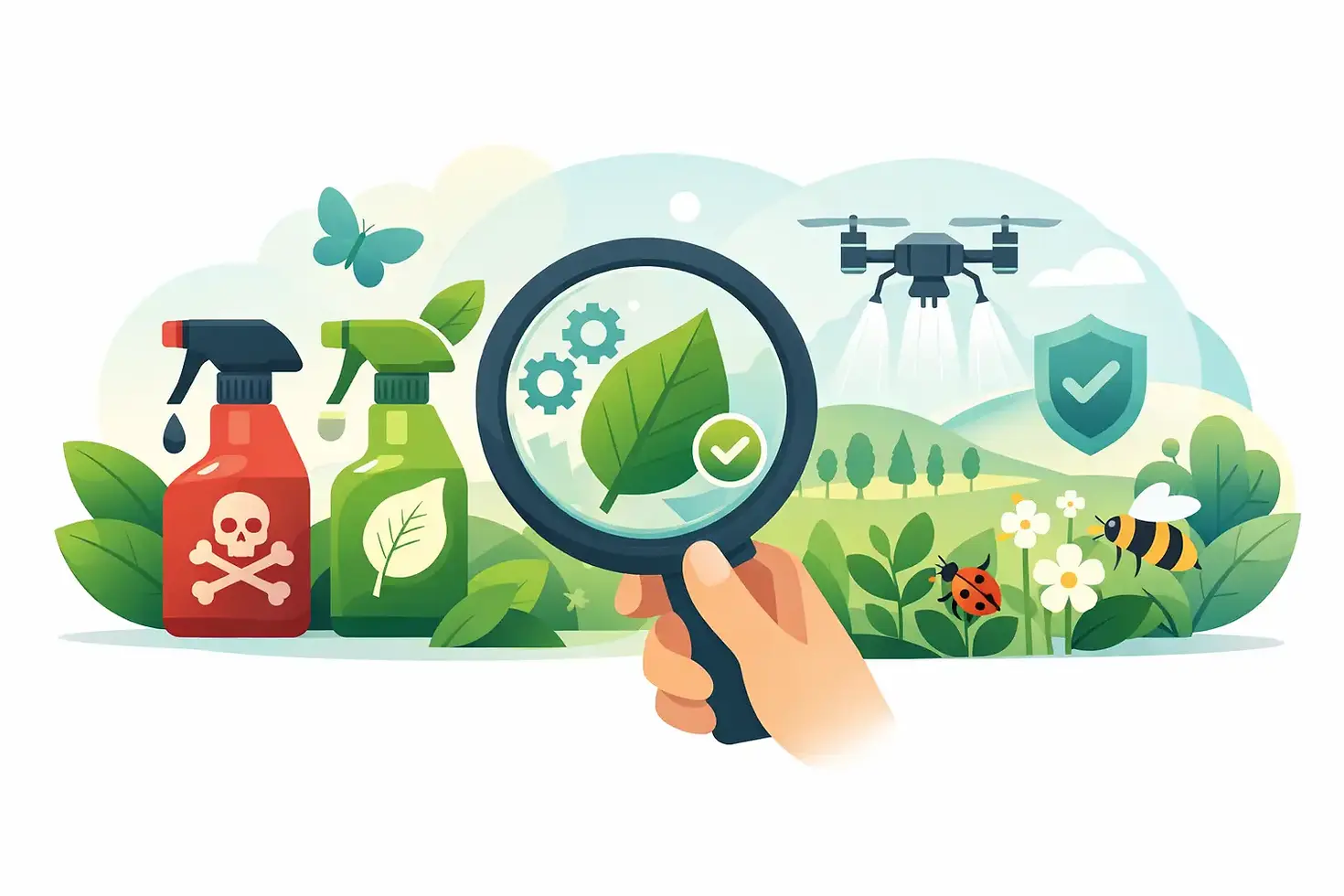
Are Reduced Toxicity Pesticides Effective?

A trail of ants across the kitchen counter, mosquito bites in the backyard, or scratching sounds in a wall can make any property owner want the fastest possible solution. But for families with children, pets, gardens, or chemical-sensitivity concerns, the next question is just as urgent: are reduced toxicity pesticides effective?
Yes, when they are selected and applied as part of a thoughtful pest management plan. Lower-impact products can control many common household and structural pests without treating every surface with heavy chemicals. The key is understanding what they can do, where they work best, and why pest control is most successful when products are paired with prevention, monitoring, and targeted treatment.
Are reduced toxicity pesticides effective in real homes?
Reduced toxicity pesticides can be highly effective against pests such as ants, cockroaches, spiders, fleas, mosquitoes, silverfish, wasps, and many other common invaders. They are not simply weaker versions of conventional products. Many work differently, using targeted baits, insect growth regulators, soaps, oils, mineral-based materials, microbial ingredients, or carefully selected active ingredients with a more favorable safety profile when used according to label directions.
Effectiveness depends on matching the treatment to the pest and the conditions that support it. An ant bait may be more effective than a broad spray because foraging ants carry it back to the colony. An insect growth regulator may not kill every adult flea immediately, but it can interrupt the life cycle that keeps an infestation going. A mosquito treatment is more successful when standing water is eliminated at the same time.
The goal is not to apply the most product. It is to use the right product, in the right place, at the right time.
Why targeted treatment often works better
Pests do not appear without a reason. They are looking for food, water, shelter, or a place to reproduce. Spraying a visible pest may provide a quick result, but it may not address the nest, entry point, moisture issue, or harborage area behind the problem.
Integrated Pest Management, often called IPM, starts with inspection. A trained technician identifies the pest, gauges the level of activity, and looks for the conditions that allowed it to establish itself. From there, the plan may include sealing entry points, reducing moisture, adjusting sanitation practices, setting monitors or traps, removing webs or nests, and applying reduced-toxicity products only where they are needed.
This approach is particularly valuable in Los Angeles County and Orange County, where warm weather can support pest activity for much of the year. A recurring ant issue, for example, may be connected to landscape moisture, tree branches touching the structure, pet food, or a small gap near plumbing. Addressing those details helps make the treatment last.
What reduced-toxicity treatment can control
A lower-impact approach is not limited to minor pest problems. With the right plan, it can manage a wide range of residential and commercial pests.
For ants and cockroaches, targeted baits and crack-and-crevice applications can reach pests where they travel and hide. For fleas, treatment may include pet-care coordination, vacuuming guidance, and products that disrupt developing stages. For mosquitoes, source reduction is essential because even a small amount of standing water can become a breeding site.
Rodent control also relies heavily on non-chemical measures. Exclusion, trapping, sanitation, and monitoring are central to controlling mice and rats. Closing openings around utility lines, doors, roof gaps, and vents can prevent new rodents from entering after active animals have been removed.
Bed bugs and termites require especially careful planning. Bed bug control may involve detailed inspection, targeted treatment, laundering and clutter-reduction guidance, and follow-up visits. Termite control depends on the species, construction features, moisture conditions, and extent of activity. Reduced-toxicity options may be part of the solution, but a professional assessment is necessary to protect the structure.
The trade-off: lower impact does not mean no effort
Reduced-toxicity pest control is effective, but it is not a promise that every situation will be solved with one visit or without any participation from the property owner. Some pests require follow-up because eggs hatch after the initial service, colonies relocate, or outdoor conditions change.
These treatments can also take longer than a broad knockdown spray. That is not necessarily a drawback. A bait that is carried into a hidden colony may work more gradually, yet provide better colony-level control than killing only the insects seen in the open.
There is another point worth making clearly: reduced toxicity does not mean risk-free. Any pesticide should be used only as directed on its label. Responsible pest control means selecting products carefully, limiting exposure, communicating preparation instructions, and keeping treatments focused on active pest areas rather than applying materials indiscriminately.
When professional pest control matters most
Store-bought products can help with a small, occasional issue. However, repeated sightings, bites, droppings, structural damage, or pests that return after do-it-yourself treatment are signs that the underlying cause needs attention.
Professional service is especially useful when pests are difficult to identify, activity is occurring inside walls or crawl spaces, or treatment requires specialized placement and timing. It also matters in homes with infants, pets, respiratory concerns, or gardens where careful product selection is a priority.
For commercial properties, pest issues can affect tenants, employees, customers, inventory, and compliance requirements. A documented IPM plan gives property managers a more consistent way to monitor activity, respond quickly, and reduce the conditions that attract pests in the first place.
Earth First Pest Control uses this targeted approach to help homes and businesses protect the people who use their spaces while avoiding unnecessary heavy chemical treatment. Service plans can be customized around the pest pressure, property conditions, and need for ongoing monitoring.
How to make lower-impact treatments work better
The most effective pest control is a partnership between the technician and the people who live or work on the property. Small changes can make a meaningful difference between visits.
Keep food in sealed containers, clean crumbs and grease promptly, and avoid leaving pet food out overnight. Repair leaking faucets, clear debris from drains, and reduce standing water outdoors. Trim vegetation away from the building, store firewood away from the structure, and seal gaps around doors, pipes, vents, and utility lines.
Follow any preparation and post-treatment instructions provided by your pest professional. For some pests, vacuuming, laundering fabrics, moving stored items, or allowing bait placements to remain undisturbed is part of the treatment process. These steps are not extra chores added for convenience. They help the solution reach the pest and prevent a new infestation from taking hold.
Choosing a safer pest control approach
Ask a pest control provider how they identify pests, what non-chemical measures they recommend, where products will be applied, and whether follow-up service is included. A responsible company should be able to explain the treatment in plain language and set realistic expectations for timing and results.
The best answer is rarely a blanket spray or a single product. It is a plan built around your specific pest, your property, and the people and pets you want to protect. When prevention, monitoring, exclusion, and precisely targeted reduced-toxicity products work together, effective pest control can also be a more responsible choice for your home and the environment.


Comments