


Eco-Friendly Pest Control: Natural Solutions for Your Home
- earthfirstpest

- Dec 22, 2025
- 4 min read
Updated: Jan 6
Top Natural Pest Repellents You Can Use Today
Natural pest repellents are substances or techniques derived from plants, minerals, or other natural sources that deter pests without causing harm to humans, pets, or the environment. Here are some of the most popular and effective options:
Essential Oils: Oils like peppermint, eucalyptus, and tea tree oil are known to repel ants, spiders, and mosquitoes. Mix a few drops with water and spray around windows, doors, and other entry points.
Diatomaceous Earth: This fine powder made from fossilized algae damages the exoskeleton of insects like fleas and bed bugs, causing them to dehydrate and die.
Neem Oil: Extracted from the neem tree, this oil disrupts the life cycle of many garden pests such as aphids and whiteflies.
Garlic Spray: Garlic has natural insect-repelling properties. Blend garlic cloves with water, strain, and spray on plants to keep bugs away.
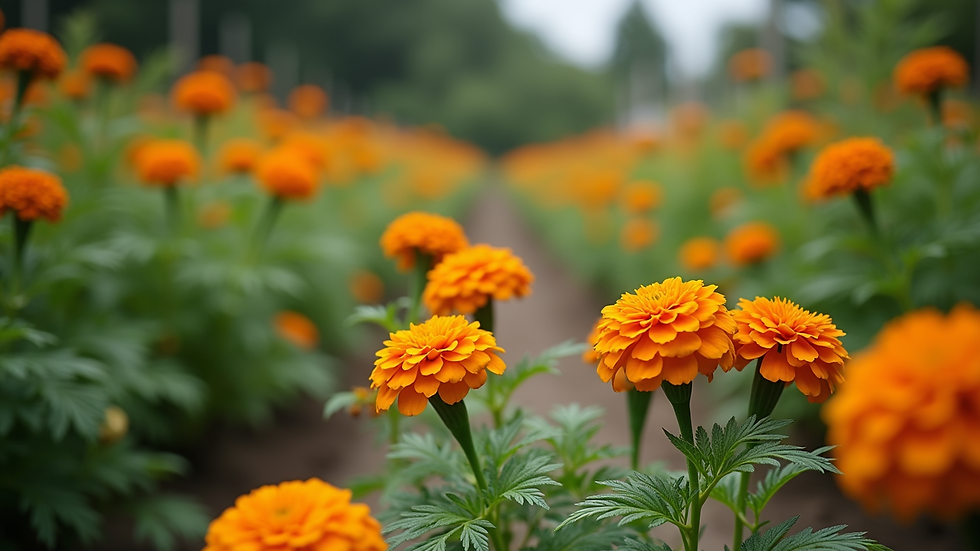
Herbs and Plants: Planting basil, marigold, or lavender around your home can naturally deter mosquitoes, flies, and other insects.
Using these natural pest repellents not only reduces the risk of chemical exposure but also supports a balanced ecosystem in your garden and home.

What is Natural Pest Control?
Natural pest control refers to methods that use natural predators, plants, or substances to manage pest populations without synthetic chemicals. This approach focuses on maintaining ecological balance and promoting healthy environments. For example, ladybugs are natural predators of aphids, and encouraging their presence in your garden can reduce pest damage.
Other natural pest control techniques include crop rotation, companion planting, and using physical barriers like nets or traps. These methods work by either preventing pests from reaching plants or by enhancing the presence of beneficial insects that keep harmful pests in check.
By integrating these strategies, you can create a sustainable pest management system that minimizes harm to beneficial organisms and reduces reliance on chemical pesticides.
How to Implement Natural Pest Control in Your Home and Garden
Implementing natural pest control requires a combination of prevention, monitoring, and intervention. Here are some practical steps to get started:
Maintain Cleanliness: Regularly clean your home and garden to remove food scraps, standing water, and debris that attract pests.
Seal Entry Points: Inspect and seal cracks, gaps, and holes around doors, windows, and foundations to prevent pests from entering.
Use Physical Barriers: Install screens on windows and doors, and use row covers or netting in the garden to protect plants.
Encourage Beneficial Insects: Plant flowers like daisies and sunflowers to attract pollinators and predatory insects.
Rotate Crops: Change the location of your plants each season to disrupt pest life cycles.
Apply Natural Repellents: Use sprays made from essential oils, garlic, or neem oil regularly to deter pests.
Monitoring your garden and home for early signs of pest activity is crucial. Catching infestations early allows for targeted treatment, reducing the need for widespread interventions.
Benefits of Choosing Natural Pest Repellents
Choosing natural pest repellents offers several advantages:
Safety: They are generally safe for children, pets, and beneficial insects.
Environmental Protection: Natural repellents reduce chemical runoff and pollution.
Sustainability: They support biodiversity and promote healthy ecosystems.
Cost-Effectiveness: Many natural repellents can be made at home using common ingredients.
Reduced Resistance: Pests are less likely to develop resistance compared to synthetic pesticides.
By opting for natural solutions, you contribute to a healthier living environment and reduce your ecological footprint.
Tips for Maintaining a Pest-Free Home Naturally
To keep your home pest-free using natural methods, consider these additional tips:
Regularly Inspect: Check for signs of pests in hidden areas like basements, attics, and behind appliances.
Proper Food Storage: Store food in airtight containers to prevent attracting insects and rodents.
Manage Moisture: Fix leaks and use dehumidifiers to reduce dampness that attracts pests.
Use Traps: Set up non-toxic traps for rodents and insects.
Educate Family Members: Ensure everyone understands the importance of cleanliness and pest prevention.
By combining these habits with natural pest repellents, you create a comprehensive defense system that keeps your home safe and comfortable.
Conclusion: Embrace Eco-Friendly Pest Control
Using natural pest control methods is a responsible and effective way to manage pests while protecting your family and the environment. Embracing these techniques can lead to a healthier, pest-free home without the risks associated with chemical pesticides. Start today by incorporating some of these natural pest repellents and enjoy the peace of mind that comes with eco-friendly pest management.
Additional Resources for Natural Pest Control
If you're looking to dive deeper into natural pest control methods, consider exploring the following resources:
Books: There are numerous books available that detail organic gardening and pest management techniques.
Online Forums: Join communities where you can share experiences and learn from others who practice natural pest control.
Workshops: Look for local workshops or classes that focus on sustainable gardening practices.
By educating yourself and staying informed, you can enhance your pest control strategies and contribute to a healthier environment for everyone.


Comments