


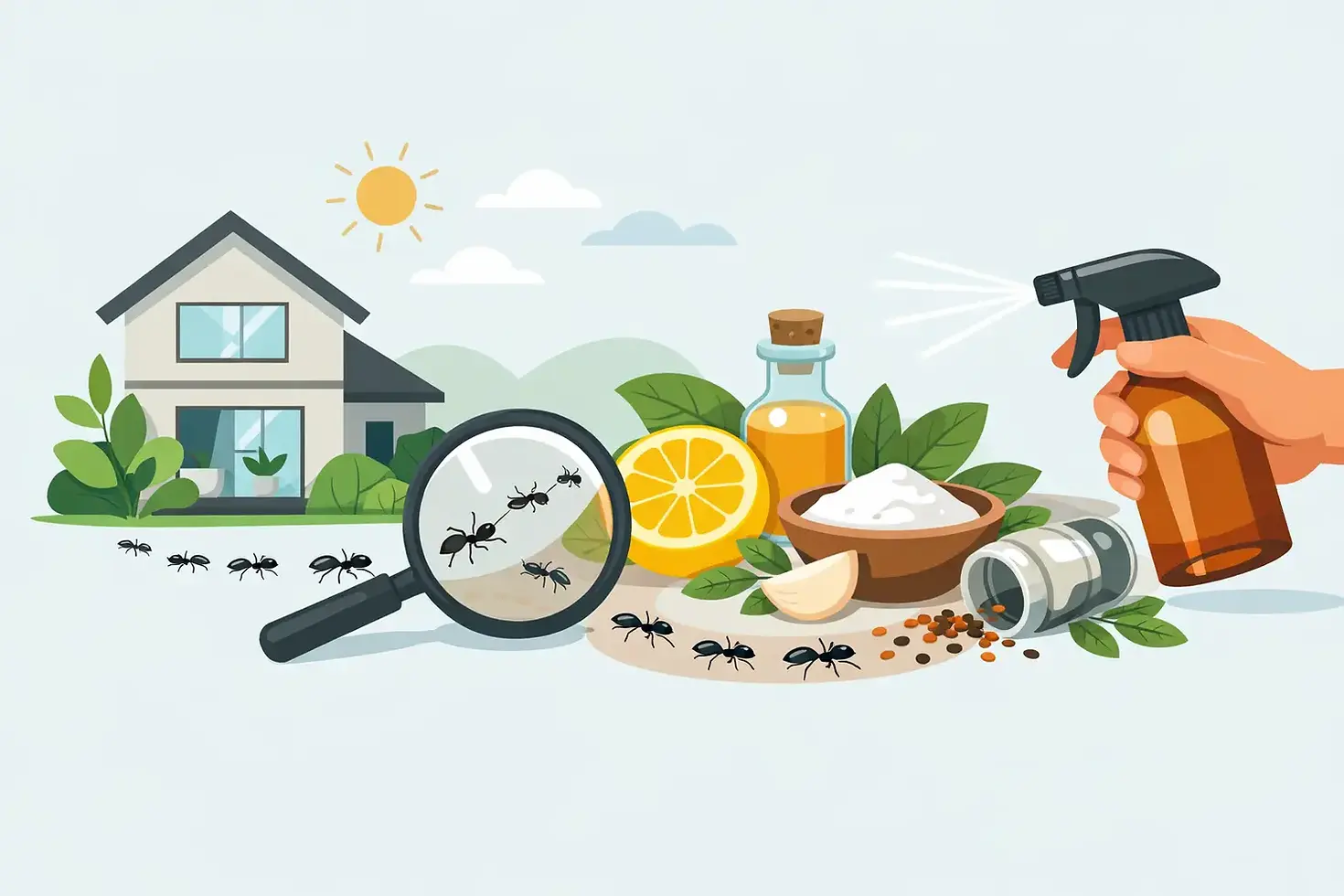
How to Prevent Ants Naturally at Home

You wipe down the counter, put the food away, and by morning there is a fresh line of ants moving straight to the sink. That is usually how ant problems start - small, easy to ignore, and suddenly persistent. If you are wondering how to prevent ants naturally, the goal is not to mask the problem or spray everything in sight. It is to make your home less attractive to ants in the first place and harder for them to enter, feed, and return.
That approach works especially well for households with kids, pets, gardens, or anyone trying to reduce unnecessary chemical exposure. It also fits the reality of ant control in Southern California, where warm weather, drought conditions, irrigated landscapes, and year-round food sources can keep colonies active longer than many homeowners expect.
How to prevent ants naturally starts with understanding why they show up
Ants are not random. When they appear indoors, they are following three basic needs: food, water, and shelter. A few scout ants find a resource, leave a scent trail, and then the rest of the colony follows. That is why a single crumb, a sticky recycling bin, pet food left out overnight, or moisture under a sink can create an ongoing pattern.
Natural prevention works best when you interrupt that pattern at every stage. You remove what is attracting them, block access, and reduce the environmental conditions that support them. If you do only one part, results tend to be temporary. For example, cleaning counters helps, but not if ants are nesting near a leaking hose bib outside and entering through an unsealed window frame.
Keep food sources from becoming ant invitations
The kitchen is the first place most people notice ants, but the issue is often broader than visible crumbs. Ants are drawn to sugar, grease, proteins, fruit, syrups, and even residue that seems too minor to matter.
Start with storage. Dry goods should be in sealed containers, especially sugar, cereal, flour, grains, and pet treats. Fruit left on the counter can also attract scouts, particularly overripe bananas, peaches, and citrus. If you compost indoors, empty it often and keep the lid tight.
Cleaning matters, but targeted cleaning matters more. Wipe counters, backsplashes, stove edges, and the area around the toaster or coffee maker. Sweep under appliances when you can. If ants are showing up near the trash, wash the can itself, not just the bag liner. Residue in the bottom of the can often keeps drawing them back.
Pet food is another common issue. If possible, feed pets on a schedule rather than leaving food out all day. Water bowls can also attract ants during hot, dry weather when moisture is limited outdoors.
Water control is one of the most overlooked natural ant solutions
Many ant species need consistent moisture, and in dry climates they may come inside primarily for water rather than food. That means a very clean home can still have ant activity if there is condensation, a plumbing drip, or damp wood somewhere nearby.
Check under sinks, around refrigerators, dishwashers, and washing machine connections. Look for slow leaks, damp cabinet flooring, or soft materials around plumbing penetrations. Bathrooms can be just as attractive as kitchens, especially around tubs, toilet bases, and window sills.
Outside, pay attention to irrigation. Overwatered planting beds against the foundation, dripping hose connections, and standing water near patios can support nesting close to the structure. Natural prevention often involves adjusting the environment around the home, not just inside it.
Block entry points without turning your home into a chemistry project
If ants can enter easily, they will keep testing the same routes. Sealing gaps is one of the most reliable long-term steps in how to prevent ants naturally.
Focus on utility lines, door thresholds, window frames, weep holes, cracks in caulking, and gaps where exterior pipes enter the wall. Weather stripping and door sweeps can make a noticeable difference, especially at side doors, garage entries, and sliding doors that do not close tightly.
Tree branches and dense vegetation touching the structure can also act like bridges. Trim back what is contacting the house and keep mulch, leaf litter, and dense ground cover from building up directly against the foundation. A clean perimeter reduces both harborage and hidden access points.
This does not mean every crack must be sealed overnight. Prioritize the areas where you are seeing activity. Ant trails are useful clues. Follow them slowly and you can often identify where they are entering or what is sustaining them.
Natural repellents can help, but they are not the whole plan
Homeowners often ask about vinegar, citrus oils, cinnamon, peppermint oil, and diatomaceous earth. These can have a role, but the trade-off is that natural repellents vary in strength and staying power. They work best as part of a broader prevention strategy, not as a replacement for sanitation and exclusion.
A vinegar and water wipe can help remove scent trails from countertops, baseboards, and floors. That matters because ants use those chemical trails to guide others to the source. Essential oils may deter ants in some areas, but they usually need frequent reapplication and can be irritating to pets if used carelessly. That is why placement and concentration matter.
Food-grade diatomaceous earth can be useful in dry voids, cracks, or sheltered areas where ants travel, because it damages the insect's outer layer. But it loses effectiveness when wet and should be applied carefully to avoid airborne dust. Natural does not automatically mean risk-free, especially in homes with small children or animals.
If you want to use repellents, treat them as support tools. They can disrupt ant activity, but lasting control usually depends on finding and correcting the attractant.
Outdoor prevention matters as much as indoor cleaning
A lot of indoor ant problems begin outside. Colonies may nest in soil, under pavers, in mulch, beneath landscape timbers, inside wall voids, or around irrigation boxes. During heat, rain, or dry spells, they shift their foraging patterns and begin exploring indoors.
Keep landscape beds maintained and avoid excessive organic buildup near the home. Store firewood away from the structure and off the ground if possible. Clean outdoor eating areas, especially around grills, trash cans, and patio furniture where drinks or food often spill unnoticed.
If you manage a multi-unit property or commercial space, prevention gets more complex because dumpsters, shared walls, exterior break areas, and irrigation systems can all contribute. In those settings, ant prevention works best when sanitation, maintenance, and monitoring happen together rather than as separate efforts.
How to prevent ants naturally when they keep coming back
If ants return after cleaning and sealing, there is usually a larger source nearby. You may be dealing with a mature colony, multiple nesting areas, or a species that is well established around the property. That is where simple DIY measures often hit their limit.
Repeated spraying is not always the answer. In fact, broad over-the-counter sprays can scatter some ant colonies or create short-term relief without resolving the nest. A smarter approach is to identify the species, map the activity pattern, and use targeted control methods that fit an Integrated Pest Management strategy.
That might include monitoring, habitat modification, selective treatment in specific areas, and ongoing follow-up rather than blanket chemical use. For families and businesses looking for lower-impact solutions, this approach offers a better balance between effectiveness and environmental responsibility.
At Earth First Pest Control, that is the standard: prevention first, targeted action when needed, and a focus on protecting people, pets, and the places they live and work.
When natural prevention is enough and when it is time to call a professional
Mild seasonal activity near a sink or patio door can often be improved with cleaning, moisture control, and sealing. But there are times when professional help makes sense sooner rather than later.
If you are seeing ants in multiple rooms, noticing them year-round, finding them around electrical outlets or wall voids, or dealing with recurring trails after repeated cleanup, the colony is likely established beyond what surface-level prevention can solve. The same is true for commercial properties, rental units, and homes with structural moisture problems.
Professional service should not mean harsh treatment by default. A responsible pest management plan looks at the building, the landscape, the pressure points, and the people using the space. It should match the level of treatment to the actual problem.
Natural ant prevention is not about chasing every insect with a homemade remedy. It is about creating a home and property that give ants fewer reasons to stay and fewer ways to get in. When that is done well, you are not just reacting to a trail on the counter. You are changing the conditions that allowed it to happen.


Comments